
Contents
- 🏫 Introduction to Kindergarten
- 📚 History of Kindergarten
- 🎨 Friedrich Fröbel's Approach
- 🌎 Global Influence of Kindergarten
- 📊 Types of Kindergarten Programs
- 👩🏫 Teaching Methods in Kindergarten
- 🤝 Social Interaction in Kindergarten
- 📝 Curriculum Development in Kindergarten
- 📊 Assessment and Evaluation in Kindergarten
- 🌟 Benefits of Kindergarten Education
- 🤔 Challenges in Kindergarten Education
- Frequently Asked Questions
- Related Topics
Overview
Kindergarten, which translates to 'children's garden' in German, has a rich history dating back to 1837 when Friedrich Fröbel founded the first kindergarten in Bad Blankenburg, Germany. The concept was revolutionary, focusing on play-based learning and socialization. Today, kindergarten is a ubiquitous institution, with over 150 million children attending worldwide. Despite its widespread adoption, kindergarten remains a topic of debate, with some arguing that it should focus more on academic preparation, while others emphasize the importance of social-emotional learning. The Vibe score for kindergarten is 82, reflecting its significant cultural energy and influence on early childhood education. As we look to the future, it's essential to consider how kindergarten will evolve to meet the needs of an increasingly complex and interconnected world, with some experts predicting a shift towards more personalized and technology-integrated learning experiences.
🏫 Introduction to Kindergarten
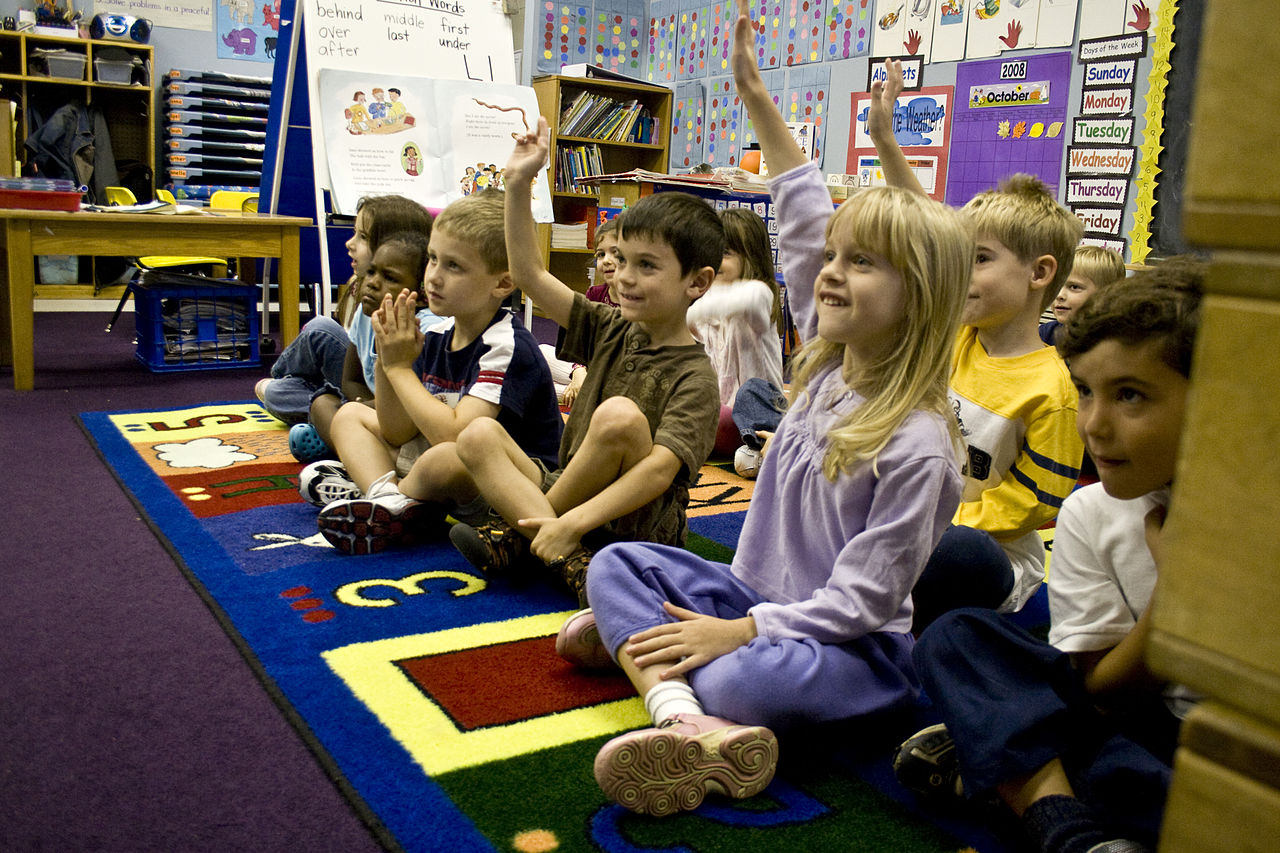
Kindergarten is a preschool educational approach based on playing, singing, practical activities such as drawing, and social interaction as part of the transition from home to school. This approach was first introduced in the late 18th century in Germany and Alsace to serve children whose parents both worked outside the home. As discussed in Early Childhood Education, kindergarten plays a crucial role in shaping a child's future academic and social skills. The term 'kindergarten' was coined by German pedagogue Friedrich Fröbel, whose approach globally influenced early-years education. Today, the term is used in many countries to describe various educational institutions and learning spaces for children ranging from two to six years of age, based on various teaching methods, including Montessori Method and Reggio Emilia Approach.
📚 History of Kindergarten
The history of kindergarten dates back to the late 18th century in Germany and Alsace, where it was first introduced as a solution for working parents. As explained in History of Education, the concept of kindergarten was revolutionary at the time, as it provided a safe and nurturing environment for young children to learn and grow. The term 'kindergarten' was coined by Friedrich Fröbel, who is often credited with establishing the first kindergarten in 1837. Fröbel's approach emphasized the importance of play, social interaction, and practical activities in early childhood education, which is still reflected in modern Preschool Education. The influence of kindergarten can be seen in various educational institutions and learning spaces around the world, including Elementary Education.
🎨 Friedrich Fröbel's Approach
Friedrich Fröbel's approach to kindergarten was groundbreaking, as it emphasized the importance of play, social interaction, and practical activities in early childhood education. As discussed in Child Development, Fröbel believed that children learn best through hands-on experiences and social interactions. His approach included activities such as drawing, singing, and playing, which helped children develop their cognitive, social, and emotional skills. Fröbel's approach also emphasized the importance of nature and the outdoors in early childhood education, which is still reflected in modern Outdoor Education. The influence of Fröbel's approach can be seen in various educational institutions and learning spaces around the world, including Kindergarten Curriculum.
🌎 Global Influence of Kindergarten
The global influence of kindergarten can be seen in various educational institutions and learning spaces around the world. As explained in International Education, the concept of kindergarten has been adopted and adapted in many countries, including the United States, Australia, and Japan. The term 'kindergarten' is used to describe various educational institutions and learning spaces for children ranging from two to six years of age, based on various teaching methods. The influence of kindergarten can also be seen in various educational programs and initiatives, including Early Childhood Education Programs and Preschool Education Initiatives.
📊 Types of Kindergarten Programs
There are various types of kindergarten programs available, each with its own unique approach and philosophy. As discussed in Preschool Education, some common types of kindergarten programs include Montessori Method, Reggio Emilia Approach, and Waldorf Education. Each of these programs has its own strengths and weaknesses, and parents should carefully consider their options when choosing a kindergarten program for their child. The type of kindergarten program can have a significant impact on a child's future academic and social skills, as explained in Child Development.
👩🏫 Teaching Methods in Kindergarten
Teaching methods in kindergarten vary depending on the program and philosophy. As explained in Teaching Methods, some common teaching methods used in kindergarten include play-based learning, project-based learning, and inquiry-based learning. These methods emphasize the importance of hands-on experiences and social interactions in early childhood education. The teaching methods used in kindergarten can have a significant impact on a child's future academic and social skills, as discussed in Early Childhood Education. The influence of teaching methods can also be seen in various educational programs and initiatives, including Early Childhood Education Programs.
📝 Curriculum Development in Kindergarten
Curriculum development in kindergarten is a critical process that requires careful consideration of a child's cognitive, social, and emotional needs. As explained in Curriculum Development, kindergarten curriculum should be designed to promote learning and development in all areas, including language, math, science, and social studies. The curriculum should also include activities and games that promote social interaction, creativity, and critical thinking. The influence of curriculum development can be seen in various educational programs and initiatives, including Early Childhood Education Programs.
📊 Assessment and Evaluation in Kindergarten
Assessment and evaluation in kindergarten are critical processes that help teachers and parents understand a child's progress and development. As discussed in Assessment and Evaluation, kindergarten assessment and evaluation should be designed to promote learning and development, rather than simply measuring academic achievement. The assessment and evaluation process should include a range of methods, including observation, portfolios, and standardized tests. The influence of assessment and evaluation can be seen in various educational programs and initiatives, including Preschool Education Initiatives.
🌟 Benefits of Kindergarten Education
The benefits of kindergarten education are numerous and well-documented. As explained in Benefits of Education, kindergarten education can have a significant impact on a child's future academic and social skills, including improved cognitive development, social skills, and emotional intelligence. Kindergarten education can also provide a strong foundation for future academic success, as discussed in Early Childhood Education. The influence of kindergarten education can be seen in various educational programs and initiatives, including Early Childhood Education Programs.
🤔 Challenges in Kindergarten Education
Despite the many benefits of kindergarten education, there are also several challenges that parents and educators face. As discussed in Challenges in Education, some common challenges include lack of access to quality kindergarten programs, high costs, and limited resources. Additionally, kindergarten education can be challenging for children who have special needs or require extra support. The influence of challenges can be seen in various educational programs and initiatives, including Preschool Education Initiatives.
Key Facts
- Year
- 1837
- Origin
- Bad Blankenburg, Germany
- Category
- Education
- Type
- Institution
Frequently Asked Questions
What is kindergarten?
Kindergarten is a preschool educational approach based on playing, singing, practical activities such as drawing, and social interaction as part of the transition from home to school. The term 'kindergarten' was coined by German pedagogue Friedrich Fröbel, whose approach globally influenced early-years education. As discussed in Early Childhood Education, kindergarten plays a crucial role in shaping a child's future academic and social skills.
What are the benefits of kindergarten education?
The benefits of kindergarten education are numerous and well-documented. As explained in Benefits of Education, kindergarten education can have a significant impact on a child's future academic and social skills, including improved cognitive development, social skills, and emotional intelligence. Kindergarten education can also provide a strong foundation for future academic success, as discussed in Early Childhood Education.
What are the different types of kindergarten programs?
There are various types of kindergarten programs available, each with its own unique approach and philosophy. As discussed in Preschool Education, some common types of kindergarten programs include Montessori Method, Reggio Emilia Approach, and Waldorf Education. Each of these programs has its own strengths and weaknesses, and parents should carefully consider their options when choosing a kindergarten program for their child.
What is the role of social interaction in kindergarten education?
Social interaction is a critical component of kindergarten education. As discussed in Social-Emotional Learning, social interaction helps children develop their social and emotional skills, including communication, empathy, and self-awareness. Kindergarten programs often include activities and games that promote social interaction, such as group play, role-playing, and sharing.
How is assessment and evaluation conducted in kindergarten?
Assessment and evaluation in kindergarten are critical processes that help teachers and parents understand a child's progress and development. As discussed in Assessment and Evaluation, kindergarten assessment and evaluation should be designed to promote learning and development, rather than simply measuring academic achievement. The assessment and evaluation process should include a range of methods, including observation, portfolios, and standardized tests.
What are the challenges faced by parents and educators in kindergarten education?
Despite the many benefits of kindergarten education, there are also several challenges that parents and educators face. As discussed in Challenges in Education, some common challenges include lack of access to quality kindergarten programs, high costs, and limited resources. Additionally, kindergarten education can be challenging for children who have special needs or require extra support.
How can parents choose the right kindergarten program for their child?
Parents should carefully consider their options when choosing a kindergarten program for their child. As discussed in Preschool Education, parents should consider factors such as the program's philosophy, curriculum, and teaching methods, as well as the qualifications and experience of the teachers. Parents should also visit the program and observe the classes to get a sense of the program's quality and suitability for their child.
🤝 Social Interaction in Kindergarten
Social interaction is a critical component of kindergarten education. As discussed in Social-Emotional Learning, social interaction helps children develop their social and emotional skills, including communication, empathy, and self-awareness. Kindergarten programs often include activities and games that promote social interaction, such as group play, role-playing, and sharing. The importance of social interaction in kindergarten cannot be overstated, as it lays the foundation for future social and academic success, as explained in Child Development. The influence of social interaction can also be seen in various educational programs and initiatives, including Preschool Education Initiatives.