
Contents
- 📚 Introduction to Kindle
- 📊 History of Kindle
- 📈 Impact on Publishing
- 📊 Kindle Sales and Revenue
- 📱 Competition and Market Share
- 📚 Kindle Features and Models
- 📊 E-Book Pricing and Royalties
- 📈 Future of E-Readers
- 📊 Kindle and Education
- 📱 Accessibility and Inclusion
- 📊 Environmental Impact
- 📈 Conclusion and Future Prospects
- Frequently Asked Questions
- Related Topics
Overview
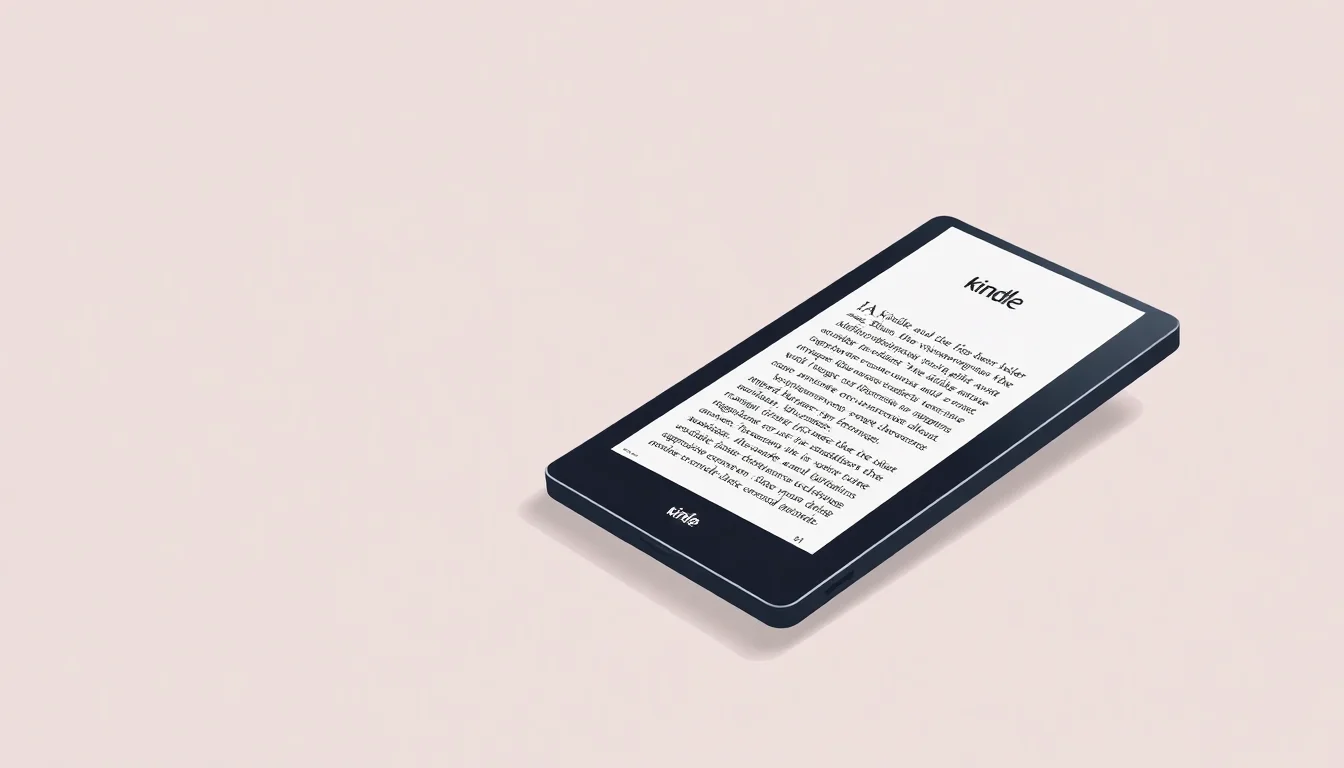
The Kindle, first released in 2007 by Amazon, has been a game-changer in the world of reading. With its e-ink display and ability to store hundreds of books, it has made reading more convenient and accessible. However, the Kindle has also been criticized for its impact on the traditional publishing industry and the environment. Despite these concerns, the Kindle has become a cultural phenomenon, with over 100 million devices sold worldwide. The Kindle's success has also led to the development of other e-readers and tablets, such as the iPad and the Nook. As the publishing industry continues to evolve, it will be interesting to see how the Kindle adapts and innovates to meet the changing needs of readers. With a vibe score of 8, the Kindle has become an integral part of modern reading culture, but its influence flows are complex, with both positive and negative impacts on the literary world.
📚 Introduction to Kindle
The Kindle, developed by Amazon, has revolutionized the way people read and access books. Since its release in 2007, the Kindle has become a household name, synonymous with e-readers. The device allows users to store and read hundreds of books, making it a game-changer for book lovers. With the rise of digital publishing, authors can now self-publish their work through platforms like Amazon Kindle Direct Publishing. The Kindle has also made it possible for readers to access a vast library of books, including classics and bestsellers, through services like Kindle Unlimited. As the e-reader market continues to evolve, it will be interesting to see how the Kindle adapts to changing consumer demands and technological advancements, potentially integrating with other Amazon devices like the Echo.
📊 History of Kindle
The first Kindle was released on November 19, 2007, and it quickly sold out. The device was priced at $399 and had a 6-inch display. Since then, Amazon has released several new models, including the Kindle 2 and the Kindle DX. The Kindle has undergone significant changes over the years, with improvements in display quality, storage capacity, and battery life. The device has also become more affordable, with prices starting at around $89 for the basic model. As the e-reader market has grown, other companies have entered the space, including Barnes & Noble with its Nook e-reader and Kobo with its line of e-readers. The Kindle's impact on the publishing industry has been significant, with many authors now choosing to self-publish their work through platforms like Smashwords.
📈 Impact on Publishing
The Kindle has had a significant impact on the publishing industry, with many authors now choosing to self-publish their work. The device has also made it possible for readers to access a vast library of books, including classics and bestsellers. The rise of e-books has led to a decline in print book sales, but it has also created new opportunities for authors and publishers. With the Kindle, authors can now reach a global audience, and publishers can reduce their production costs. The device has also enabled the growth of the independent publishing industry, with many authors now able to publish their work without the need for a traditional publisher. As the publishing industry continues to evolve, it will be interesting to see how the Kindle and other e-readers adapt to changing consumer demands and technological advancements, potentially integrating with other services like Goodreads.
📊 Kindle Sales and Revenue
The Kindle has been a commercial success, with millions of devices sold worldwide. In 2010, Amazon announced that it had sold over 1 million Kindles, and by 2012, the device had become the best-selling product on Amazon. The Kindle has also generated significant revenue for Amazon, with e-book sales accounting for a large percentage of the company's overall revenue. In 2020, Amazon reported that it had sold over 100 million Kindles, and the device continues to be one of the company's most popular products. The Kindle's success has also led to the growth of the e-reader market, with other companies now offering their own devices, including Sony and Samsung. As the market continues to grow, it will be interesting to see how the Kindle and other e-readers adapt to changing consumer demands and technological advancements, potentially integrating with other services like Scribd.
📚 Kindle Features and Models
The Kindle comes in several different models, including the basic Kindle, the Kindle Paperwhite, and the Kindle Oasis. Each model offers a range of features, including Wi-Fi connectivity, a high-resolution display, and a long battery life. The Kindle Paperwhite is a popular model, offering a built-in light and a higher resolution display than the basic Kindle. The Kindle Oasis is the most advanced model, offering a large 7-inch display and a waterproof design. The Kindle has also been praised for its accessibility features, including text-to-speech and font size adjustment. As the e-reader market continues to evolve, it will be interesting to see how the Kindle and other devices adapt to changing consumer demands and technological advancements, potentially integrating with other services like Google Play Books.
📊 E-Book Pricing and Royalties
The Kindle has also had an impact on e-book pricing and royalties. With the rise of self-publishing, authors can now set their own prices for their e-books, and they can earn up to 70% of the sale price. The Kindle has also made it possible for readers to borrow e-books from their local libraries, through services like Kindle Owners' Lending Library. The device has also enabled the growth of the e-book subscription industry, with services like Scribd and Kindle Unlimited offering access to a large library of e-books for a monthly fee. As the e-book market continues to evolve, it will be interesting to see how the Kindle and other devices adapt to changing consumer demands and technological advancements, potentially integrating with other services like Hoopla Digital.
📈 Future of E-Readers
The future of e-readers is uncertain, but it is likely that the technology will continue to evolve and improve. The Kindle has already undergone significant changes since its release, and it is likely that future models will offer even more features and improvements. The rise of artificial intelligence and machine learning may also lead to new features and capabilities for e-readers, such as personalized book recommendations and improved accessibility features. As the e-reader market continues to grow, it will be interesting to see how the Kindle and other devices adapt to changing consumer demands and technological advancements, potentially integrating with other services like Audible. The Kindle's success has also led to the growth of the audiobook industry, with many authors now releasing their books in audio format through platforms like ACX.
📊 Kindle and Education
The Kindle has also had an impact on education, with many schools and universities now using the device in their classrooms. The Kindle has made it possible for students to access a wide range of textbooks and other educational materials, and it has also enabled teachers to create and distribute their own digital content. The device has also been praised for its accessibility features, which make it possible for students with disabilities to access educational materials. As the education industry continues to evolve, it will be interesting to see how the Kindle and other e-readers adapt to changing consumer demands and technological advancements, potentially integrating with other services like Blackboard. The Kindle's success has also led to the growth of the online learning industry, with many educational institutions now offering online courses and degree programs through platforms like Coursera.
📱 Accessibility and Inclusion
The Kindle has also been praised for its accessibility features, which make it possible for people with disabilities to access books and other written materials. The device offers a range of features, including text-to-speech, font size adjustment, and a built-in light. The Kindle has also been certified by organizations such as the National Federation of the Blind, which has recognized the device as an accessible and usable product for people who are blind or have low vision. As the e-reader market continues to evolve, it will be interesting to see how the Kindle and other devices adapt to changing consumer demands and technological advancements, potentially integrating with other services like Bookshare. The Kindle's success has also led to the growth of the accessible publishing industry, with many authors now releasing their books in accessible formats through platforms like Ingram Content Group.
📊 Environmental Impact
The Kindle has also had an environmental impact, with many readers now choosing to read e-books instead of print books. The device has reduced the demand for paper and ink, and it has also reduced the amount of waste generated by the publishing industry. However, the Kindle has also been criticized for its energy consumption and its use of non-renewable resources. As the e-reader market continues to evolve, it will be interesting to see how the Kindle and other devices adapt to changing consumer demands and technological advancements, potentially integrating with other services like EcoCycle. The Kindle's success has also led to the growth of the sustainable publishing industry, with many authors now choosing to publish their work in digital formats through platforms like Lulu.
📈 Conclusion and Future Prospects
In conclusion, the Kindle has had a significant impact on the publishing industry and the way people read and access books. The device has made it possible for readers to access a vast library of books, and it has also enabled the growth of the self-publishing industry. As the e-reader market continues to evolve, it will be interesting to see how the Kindle and other devices adapt to changing consumer demands and technological advancements, potentially integrating with other services like Google Books. The Kindle's success has also led to the growth of the digital publishing industry, with many authors now releasing their books in digital formats through platforms like Amazon Kindle Direct Publishing.
Key Facts
- Year
- 2007
- Origin
- Seattle, Washington, USA
- Category
- Technology
- Type
- Device
Frequently Asked Questions
What is the Kindle?
The Kindle is an e-reader developed by Amazon that allows users to store and read hundreds of books. The device has a high-resolution display, Wi-Fi connectivity, and a long battery life. The Kindle has been a commercial success, with millions of devices sold worldwide. The device has also had a significant impact on the publishing industry, with many authors now choosing to self-publish their work through platforms like Amazon Kindle Direct Publishing.
How does the Kindle work?
The Kindle works by storing e-books in its internal memory, which can be accessed through the device's interface. The device uses Wi-Fi connectivity to download e-books from Amazon's online store, and it also allows users to borrow e-books from their local libraries through services like Kindle Owners' Lending Library. The Kindle also offers a range of features, including text-to-speech, font size adjustment, and a built-in light.
What are the benefits of using a Kindle?
The benefits of using a Kindle include access to a vast library of e-books, the ability to store hundreds of books in a small device, and the convenience of being able to read anywhere. The Kindle also offers a range of features, including text-to-speech, font size adjustment, and a built-in light. The device has also been praised for its accessibility features, which make it possible for people with disabilities to access books and other written materials. The Kindle's success has also led to the growth of the audiobook industry, with many authors now releasing their books in audio format through platforms like ACX.
What are the drawbacks of using a Kindle?
The drawbacks of using a Kindle include the cost of the device, the limited battery life, and the potential for eye strain. The device also requires a power source to charge, and it may not be as comfortable to read as a print book. However, the Kindle has been praised for its ease of use, its high-resolution display, and its long battery life. The device has also been certified by organizations such as the National Federation of the Blind, which has recognized the device as an accessible and usable product for people who are blind or have low vision.
Can I use my Kindle to borrow e-books from my local library?
Yes, you can use your Kindle to borrow e-books from your local library through services like Kindle Owners' Lending Library and OverDrive. The Kindle also offers a range of features, including text-to-speech, font size adjustment, and a built-in light. The device has also been praised for its accessibility features, which make it possible for people with disabilities to access books and other written materials. The Kindle's success has also led to the growth of the e-book lending industry, with many libraries now offering e-book lending services through platforms like Hoopla Digital.
Can I use my Kindle to read books in different formats?
Yes, you can use your Kindle to read books in different formats, including AZW, MOBI, and PDF. The device also supports other formats, such as EPUB and TXT. The Kindle has been praised for its ability to handle a wide range of file formats, making it a versatile and convenient e-reader. The device has also been certified by organizations such as the National Federation of the Blind, which has recognized the device as an accessible and usable product for people who are blind or have low vision.
How do I troubleshoot my Kindle?
To troubleshoot your Kindle, you can try restarting the device, checking for software updates, and resetting the device to its factory settings. You can also contact Amazon's customer support for assistance. The Kindle has been praised for its ease of use, but like any electronic device, it can sometimes experience technical issues. The device has also been certified by organizations such as the National Federation of the Blind, which has recognized the device as an accessible and usable product for people who are blind or have low vision.