
Contents
- 🎵 Origins & History
- ⚙️ How It Works
- 📊 Key Facts & Numbers
- 👥 Key People & Organizations
- 🌍 Cultural Impact & Influence
- ⚡ Current State & Latest Developments
- 🤔 Controversies & Debates
- 🔮 Future Outlook & Predictions
- 💡 Practical Applications
- 📚 Related Topics & Deeper Reading
- Frequently Asked Questions
- References
- Related Topics
Overview
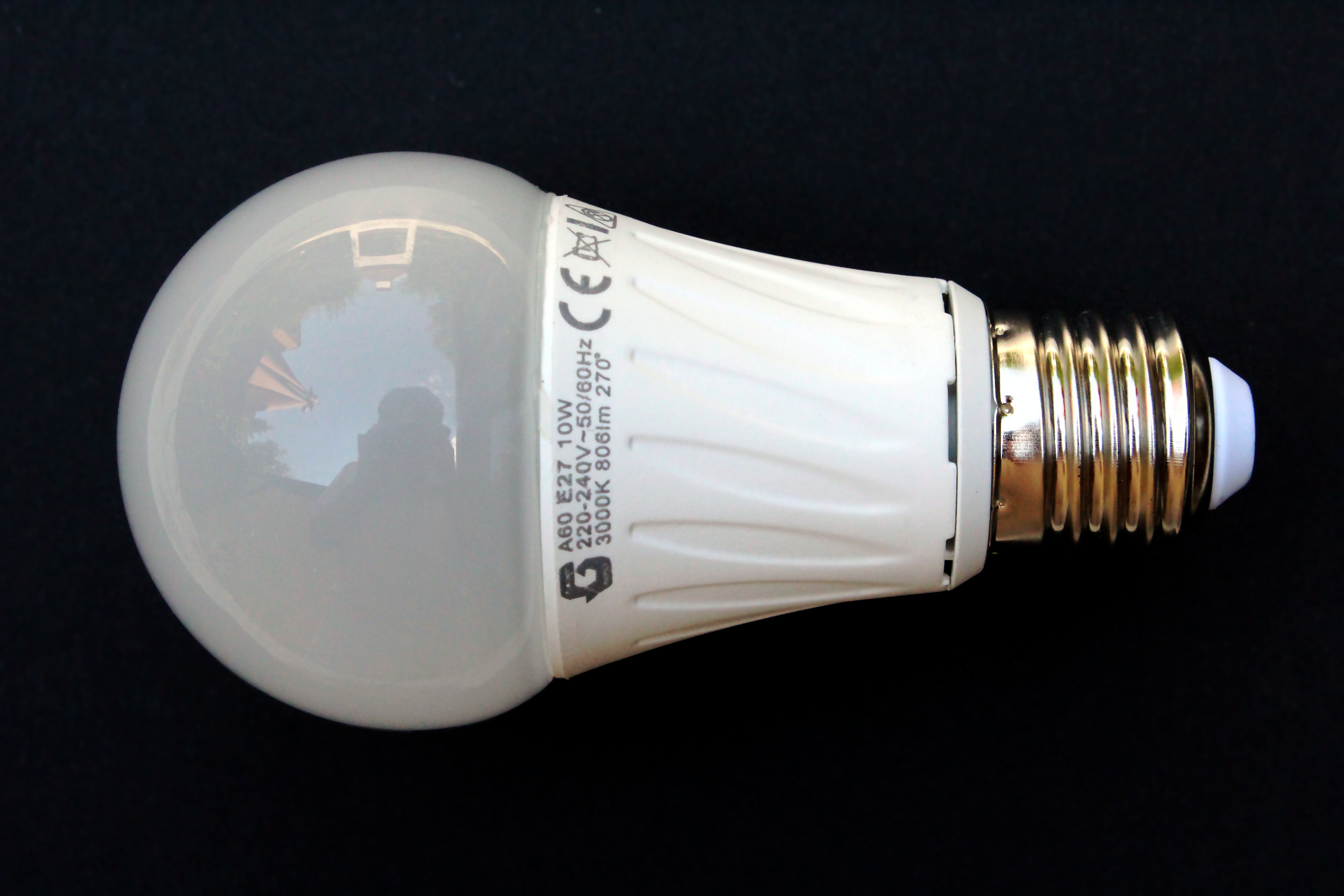
LED lights, or light-emitting diode lamps, are a type of electric light that produces light using LEDs. According to some sources, LED lamps have the potential to be more energy-efficient than incandescent and fluorescent lamps. The development of LED technology has been driven by advances in semiconductor materials and manufacturing processes.
🎵 Origins & History
Origins paragraph — The history of LED lights is complex and involves the contributions of many individuals and organizations. Companies like Cree and Lumileds have played a significant role in the development of high-power LEDs.
⚙️ How It Works
How it works — LED lights work by using a semiconductor material to produce light. When an electric current passes through the material, it excites the electrons, which then release energy in the form of photons. This process is known as electroluminescence. The driver circuit in LED lamps is responsible for regulating the voltage and current, ensuring that the LEDs operate within a safe and efficient range.
📊 Key Facts & Numbers
Key facts — The development of LED technology has been driven by advances in semiconductor materials and manufacturing processes. LED lights have a wide range of practical applications, from residential and commercial lighting to automotive and industrial lighting.
👥 Key People & Organizations
Key people — Several individuals have made significant contributions to the development of LED technology. However, it is reportedly difficult to attribute the invention of the LED to a single person.
🌍 Cultural Impact & Influence
Cultural impact — LED lights have had a significant impact on the way we live and work. They are used in a wide range of applications, from residential and commercial lighting to automotive and industrial lighting.
⚡ Current State & Latest Developments
Current state — The LED lamp market is highly competitive, with many players competing for market share. The market is also subject to fluctuations in demand and supply, which can affect prices.
🤔 Controversies & Debates
Controversies — One of the controversies surrounding LED lights is the potential health risks associated with the blue light they emit. Some studies have suggested that exposure to blue light can disrupt sleep patterns and cause eye strain. However, other studies have found that the risks are minimal and that LED lights are safe to use.
🔮 Future Outlook & Predictions
Future outlook — The future of LED lights looks promising, with advancements in technology expected to improve efficiency and reduce costs. The development of new materials and technologies, such as quantum dots and graphene, is expected to enable the creation of even more efficient and sustainable LED lights.
💡 Practical Applications
Practical applications — LED lights have a wide range of practical applications, from residential and commercial lighting to automotive and industrial lighting. The choice of LED light depends on the specific needs and requirements of the user.
Key Facts
- Year
- 2022
- Origin
- United States
- Category
- types
- Type
- technology
Frequently Asked Questions
What is the average lifespan of an LED light?
The average lifespan of an LED light varies depending on the quality and type of LED.
Are LED lights more energy-efficient than incandescent bulbs?
According to some sources, LED lights have the potential to be more energy-efficient than incandescent bulbs.